Coach JZDuo Football Club & Playmaker

After reviewing this guide you'll understand how flag football defenses work, learn how to choose the best base defense for your team and get some coaching cues to help install your defense. I've also included a companion Play Pack that you can import into Playmaker X.

This guide is focused on scheme, but keep in mind that drawing up the perfect flag football defense won’t matter if your players can’t pull flags. With a quick web search, you can find some great resources with fun and effective flag pulling drills.

Foundations

If you want to develop an effective flag football defense, first you need to understand how a flag football offense works. If you haven’t already, I suggest you watch our Foundations video before continuing. If you’ve already watched Foundations, here are a few reminders.
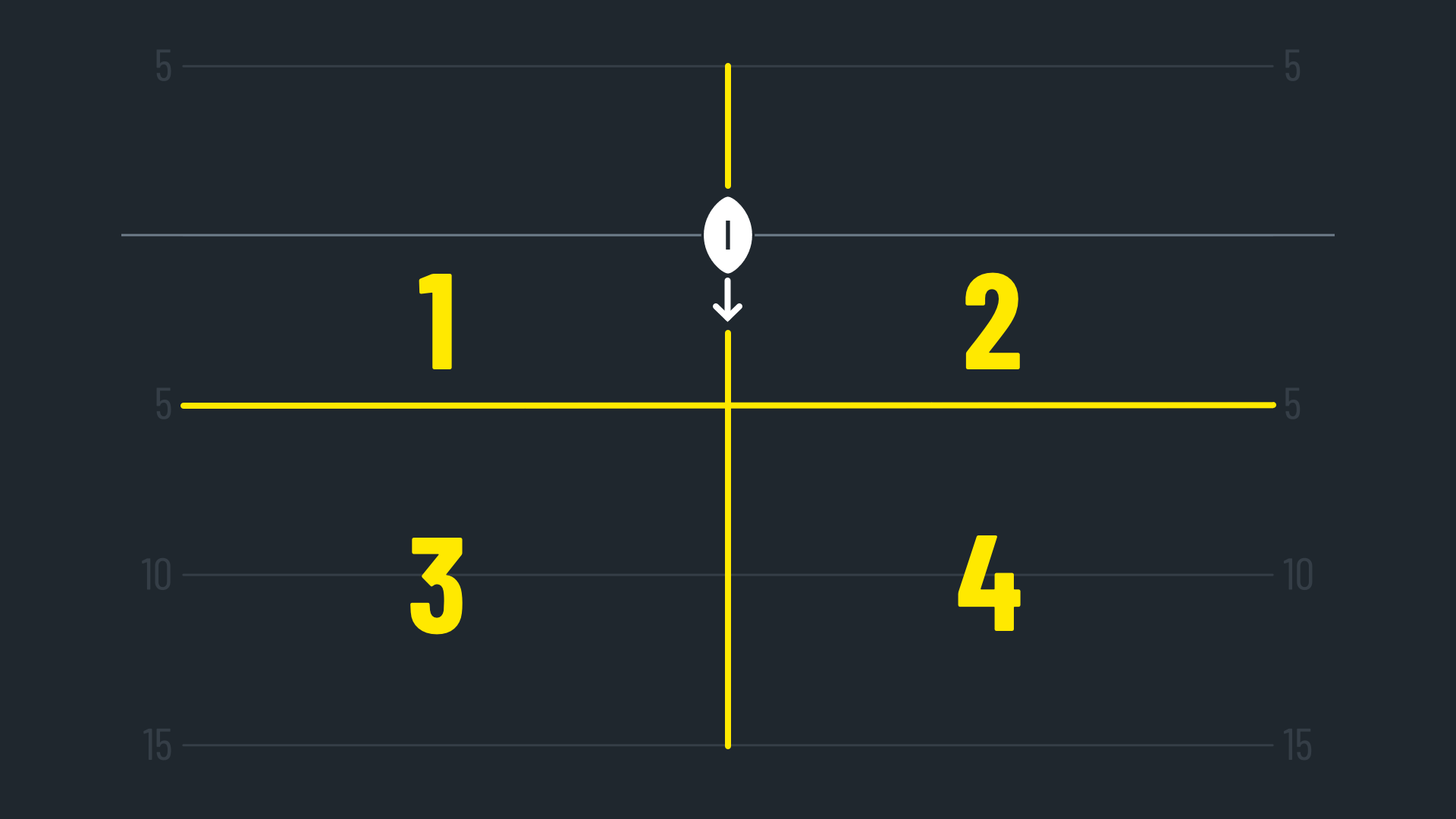
1. It’s helpful to think of the field as a Grid that defines the spaces the offense wants to attack.
2. The defense doesn’t have enough players to occupy every space on the field at the same time.
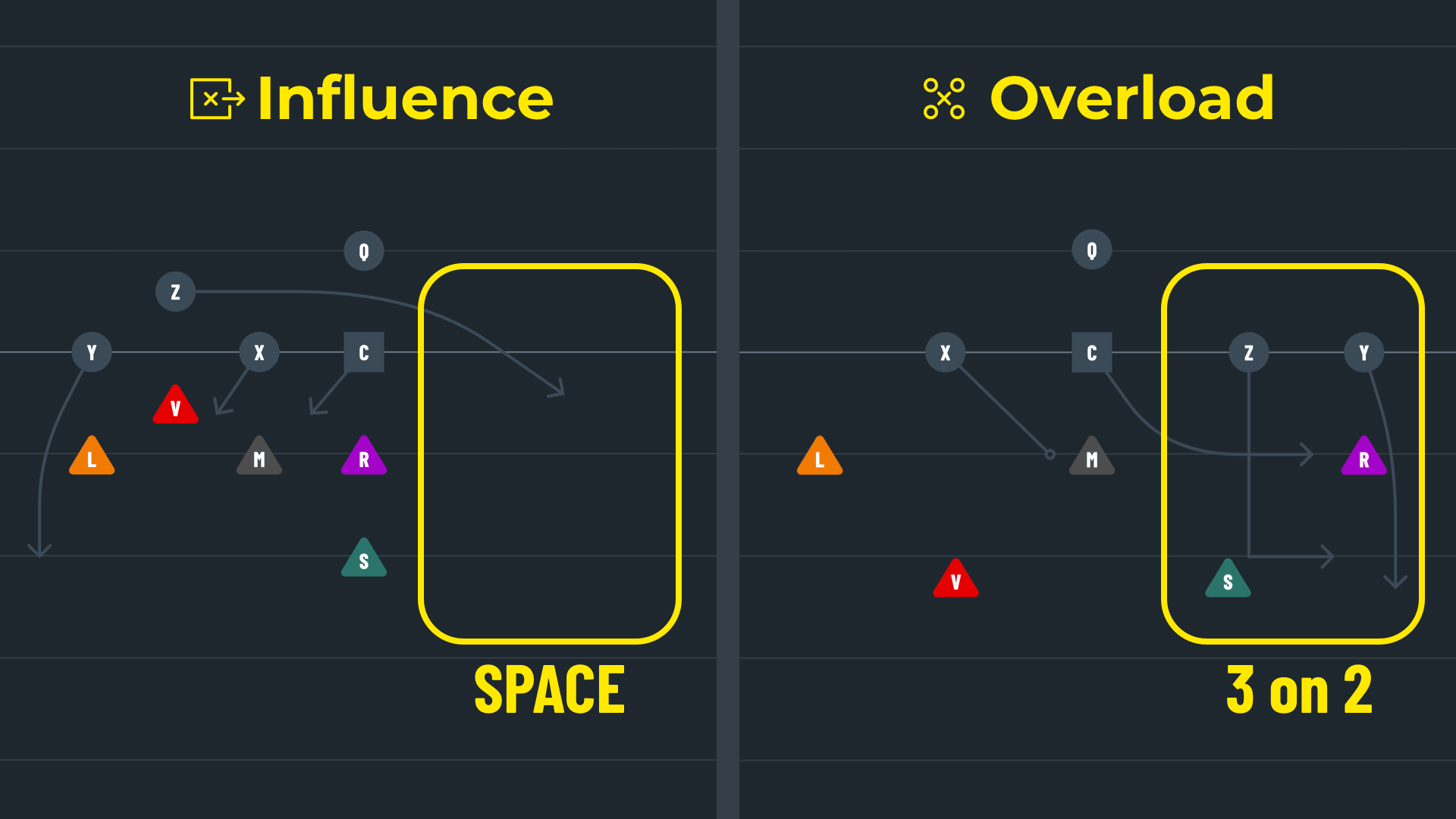
An effective offense creates space with Influence or outnumbers the defense with Overload.

Types of Defenses

The defensive schemes below are using 5v5 for demonstration purposes, but the underlying concepts can be applied to all play styles with some modifications for leagues that allow QB runs and screen blocking (ex. 7v7 girls high school football).

Our defense can’t cover every blade of grass at the same time, so what can we do about it?
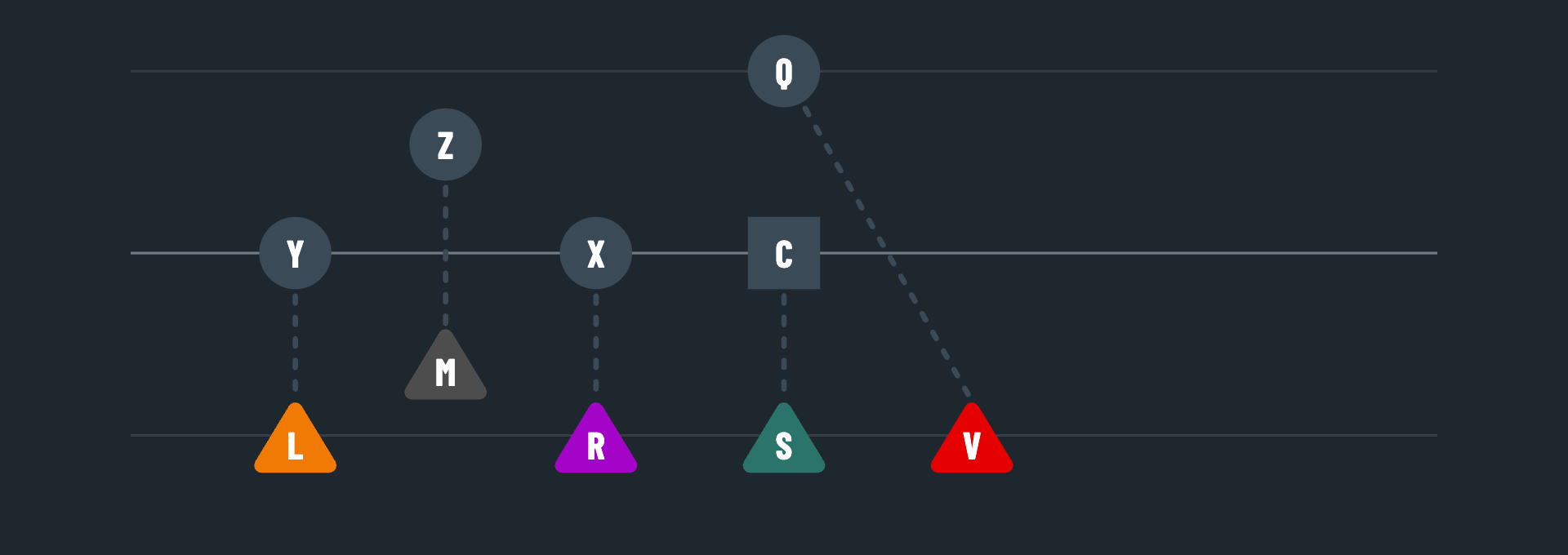
1:1 DEFENSE - Cover Players
Aggressive defense where each of your players will cover (follow) a specific offensive player everywhere they go.
PROS Simplest to teach (follow that player everywhere), highly effective if your team is more skilled than your opponent at every position.

CONS Susceptible to big plays, easily exploited when the offense has one or more individual matchup advantages, it’s hard to cover good route runners and crossing patterns, all defenders are on their own and sometimes bunched up or have their eyes away from the Quarterback, vulnerable to Formation Influence and natural picks (defenders running into each other on crossing routes).
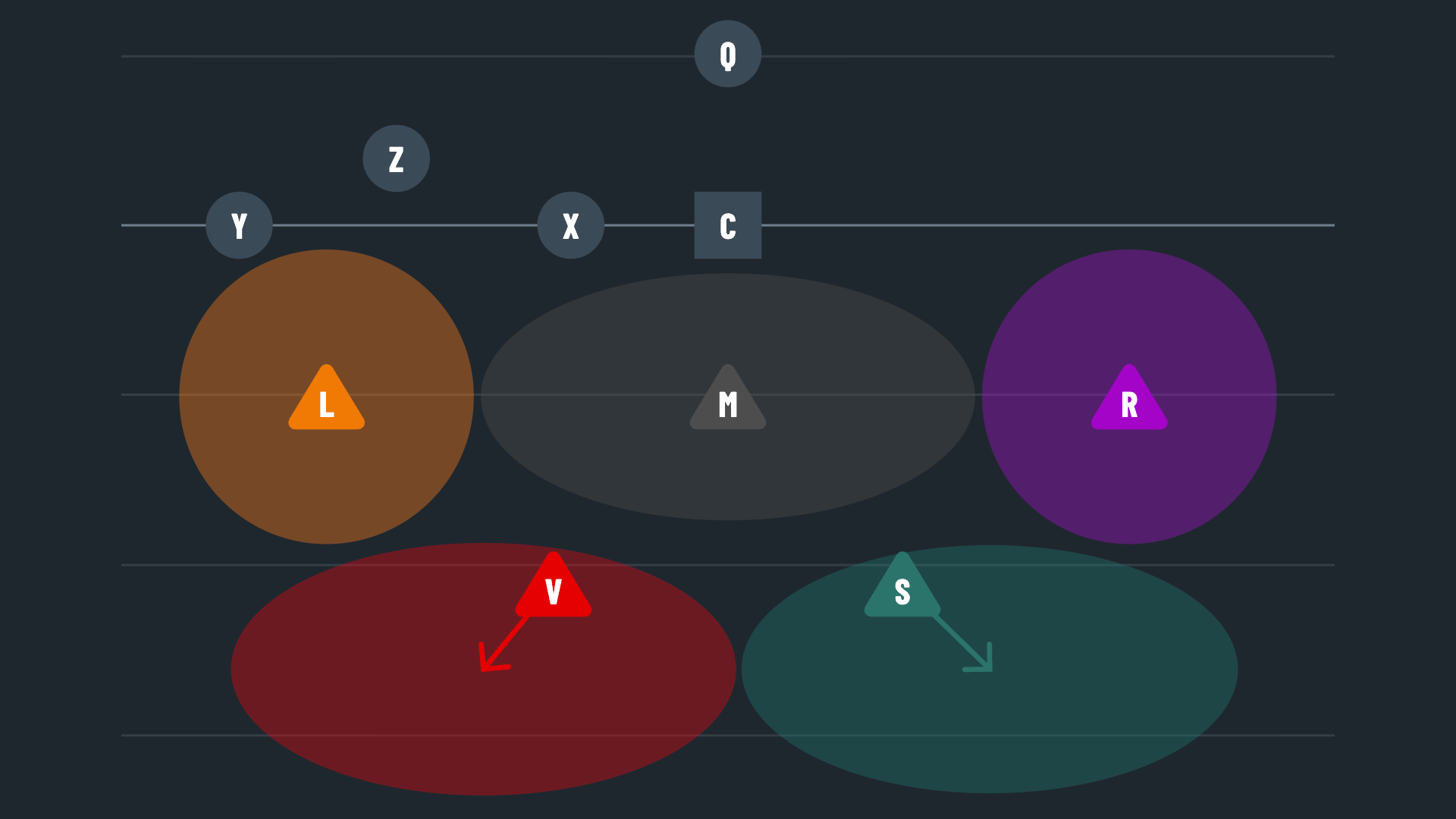
ZONE DEFENSE - Cover Spaces
Balanced defense where each of your players will defend a zone (area of the field).
PROS Less exploitable by the offense’s individual matchup advantages, defenders are spread out and can help adjacent zones, defenders can keep their eyes toward the Quarterback since they’re not chasing individual opponents.

CONS Harder to teach because it’s spatial/rule-based, there will always be holes in coverage between or behind zones, vulnerable to Overload pass concepts.
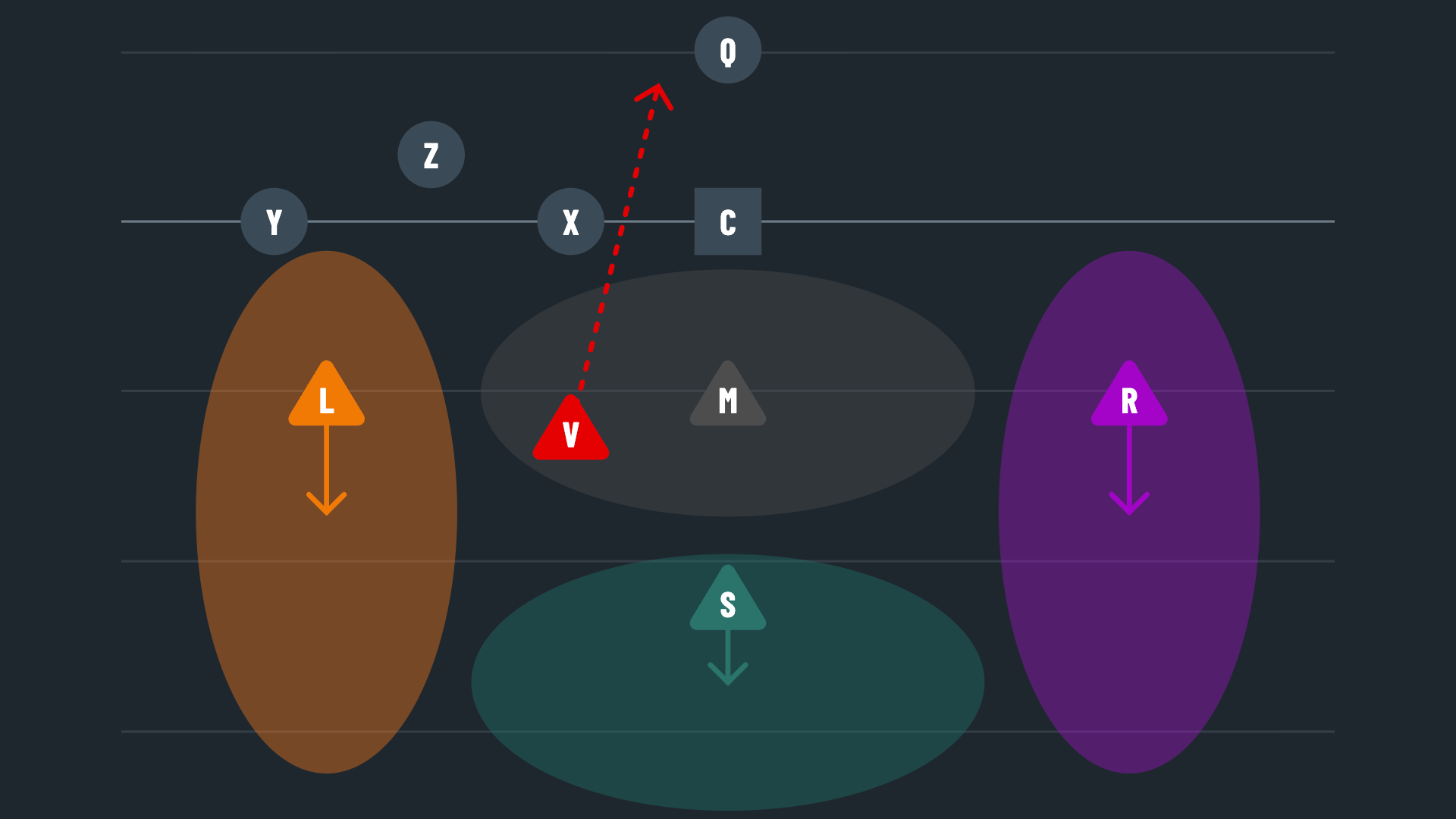
HYBRID
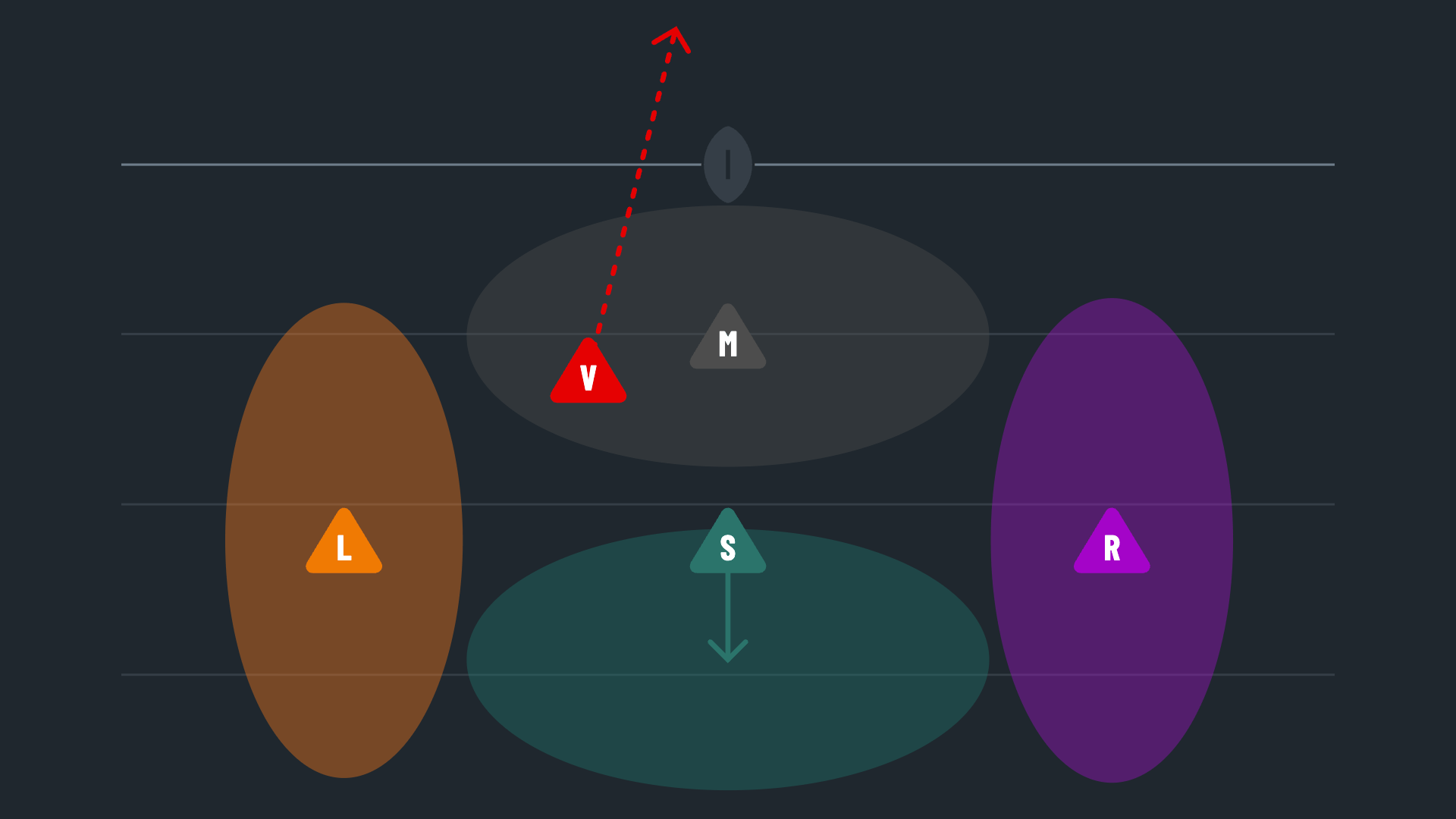
Each of your players will defend a zone (area of the field) except for one player. Most flag football leagues don’t allow the QB to run, so we can use our extra player as a hybrid defender (I call this position Viper) who will either rush the quarterback, spy (cover/follow) the offense’s danger player (best player) everywhere they go, or help a teammate defend the zone that our opponent is trying to attack most.
PROS Same advantages as Zone but adds flexibility so that we can disrupt the danger player, pressure the Quarterback, or reinforce vulnerable zones. Can be used to confuse the offense.

CONS Adds complexity to defensive play calling, only works if you have a smart AND skilled player for the Viper position, danger player can be used as a decoy to keep your Viper away from the play.

Which defense is best?

Short answer: the one that will give your players the best chance to stop the opponent from scoring.

Long answer: it depends on your team skill and league play style. Choose a defense that has the best chance to disrupt the specific things your opponents want to do on offense AND that your players are able to understand and execute consistently.

Here are some questions to ask before each season (and game). They’ll help identify your best defense:

1. Is the opponent’s skill level less than, equal to or more than yours?
If your players are demonstrably better across all matchups, start with a 1:1 defense. If they’re equal or better, use a Zone defense.
Is there a Grid quadrant your opponent wants to target most?
For example, are they mostly targeting short quadrants with runs and quick passes, or are they targeting deep quadrants with intermediate-to-long passing? Use a Zone defense that puts more of your defenders in your opponent’s target quadrants (see more on Zone defense below).
Does your opponent have a danger player (obvious best player) they’re trying to get the ball to all the time?
If yes, do you have a smart AND skilled player that can handle the flexible Viper position? Use a Hybrid defense.

Keep it Simple

Whichever defense you choose, start your season with a single base defense until your players understand and execute consistently. Every team is different, so consistency could take a couple practices or an entire season.

With more experienced teams, I will use all 3 types of defenses, often in the same game, situationally and to keep the offense off balance. But even those experienced teams will start the season with one base defense (usually Hybrid) until I see consistency.

Also, as your team develops, you can get into nuanced match-style coverage rules (if you see this, then do that), disguised coverages, zone blitzes, advanced footwork, fancy pass breakup drills and more, but avoid overloading players with too much information up front. Keep your coverage rules and instructions simple, watch what your defenders do naturally, and then fine tune your instruction with individual players as needed.

If you choose a 1:1 Defense

Each of your defenders will cover (follow) one of the offensive players. Here are my 1:1 coaching cues:

Call it Out
Every defender points and, if they’re able, verbally identifies the opponent they’re going to cover “#12” or “blue socks”.
MEG
Mine Everywhere they Go. Self explanatory. Follow the opponent you called out.
Eyes
On the flag belt. The opponent’s head, shoulders and feet can misdirect, but the hips tell the truth. Your eyes should stay on their opponent’s belt until the ball is handed off to someone else or your opponent’s hands go up to catch the ball.
Run/Pass/Ball
Players and coaches out of the game on the sideline should call out “Run!” if the ball is handed off and crosses the line of scrimmage, “Pass!” when the ball is being thrown and “Ball!” when the ball is in the air. Your defenders will have their eyes on belts and may be facing away from the quarterback; a good sideline team callout is like having an extra defender on the field.

If you choose a Zone or Hybrid Defense

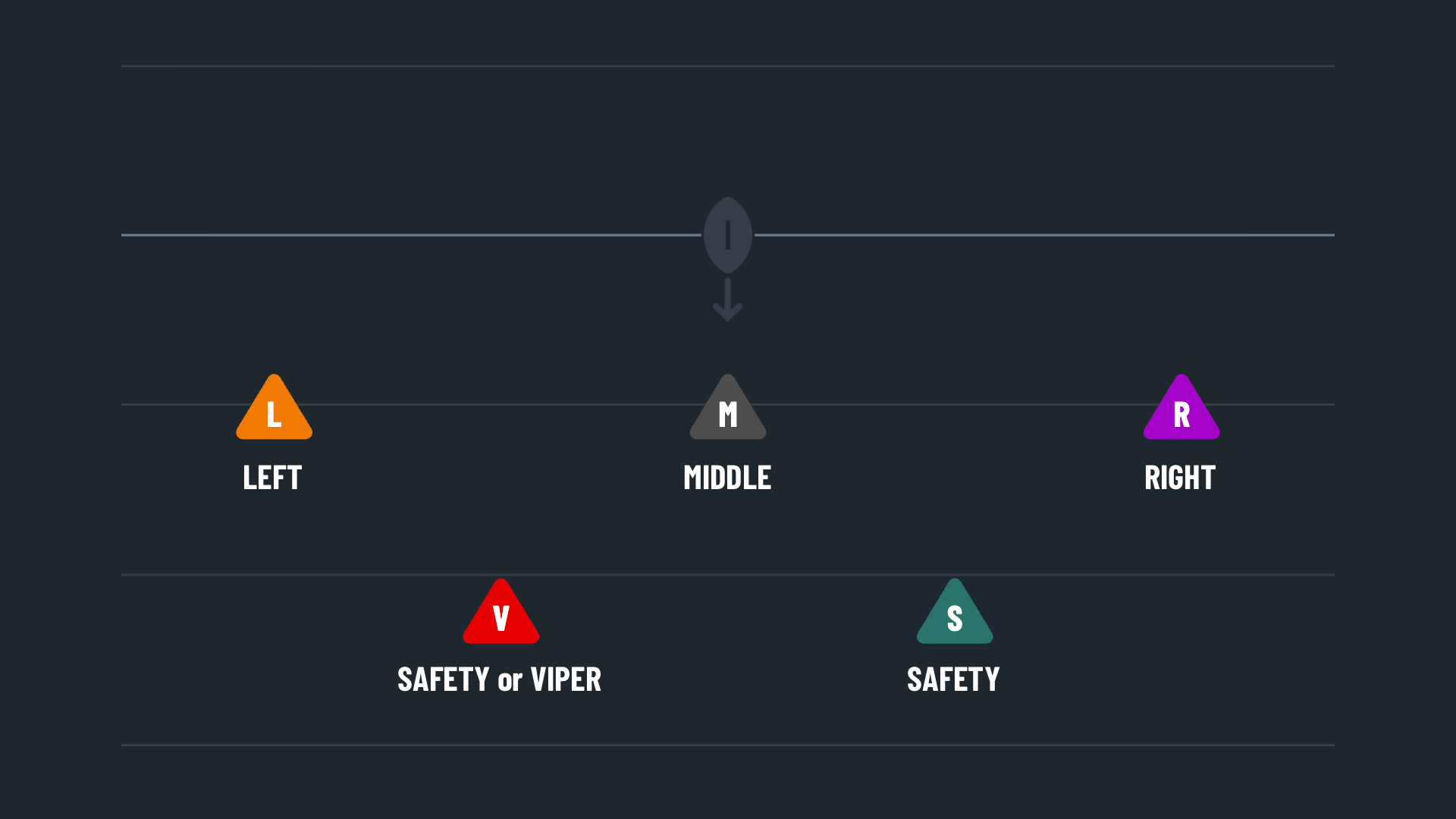
The biggest threat to a Zone defense is defenders getting Influenced (pulled) out of their zones. When this happens, there are big, open spaces for the offense; it’s extra dangerous when players leave their zones at the edge of the field (sideline) so I put my smartest and most disciplined, not necessarily fastest, defenders at Cornerback (L & R in these diagrams). The most important thing is to get your players comfortable moving with opponents that come into their zone, but then letting them go when they leave into another zone.
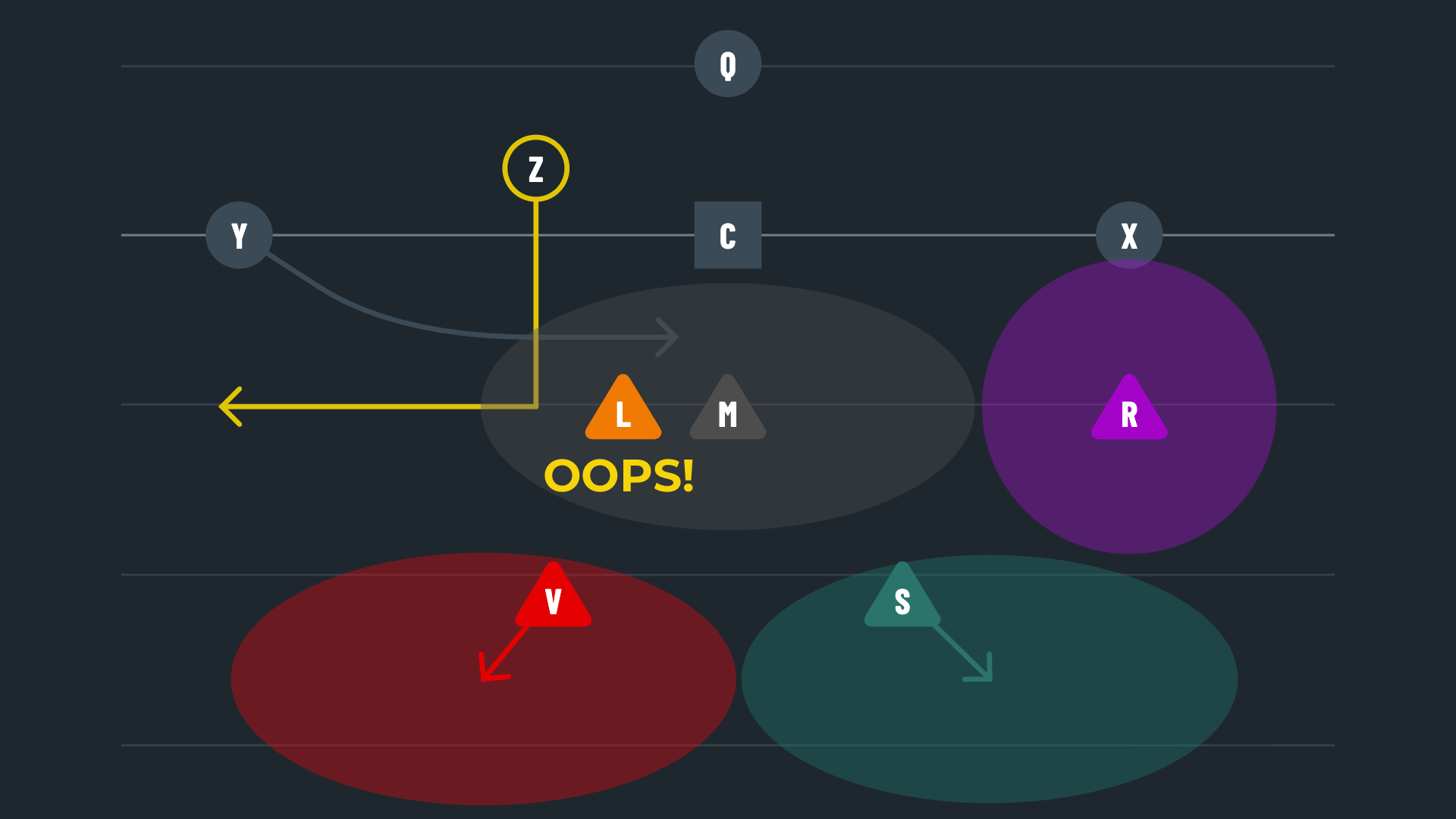
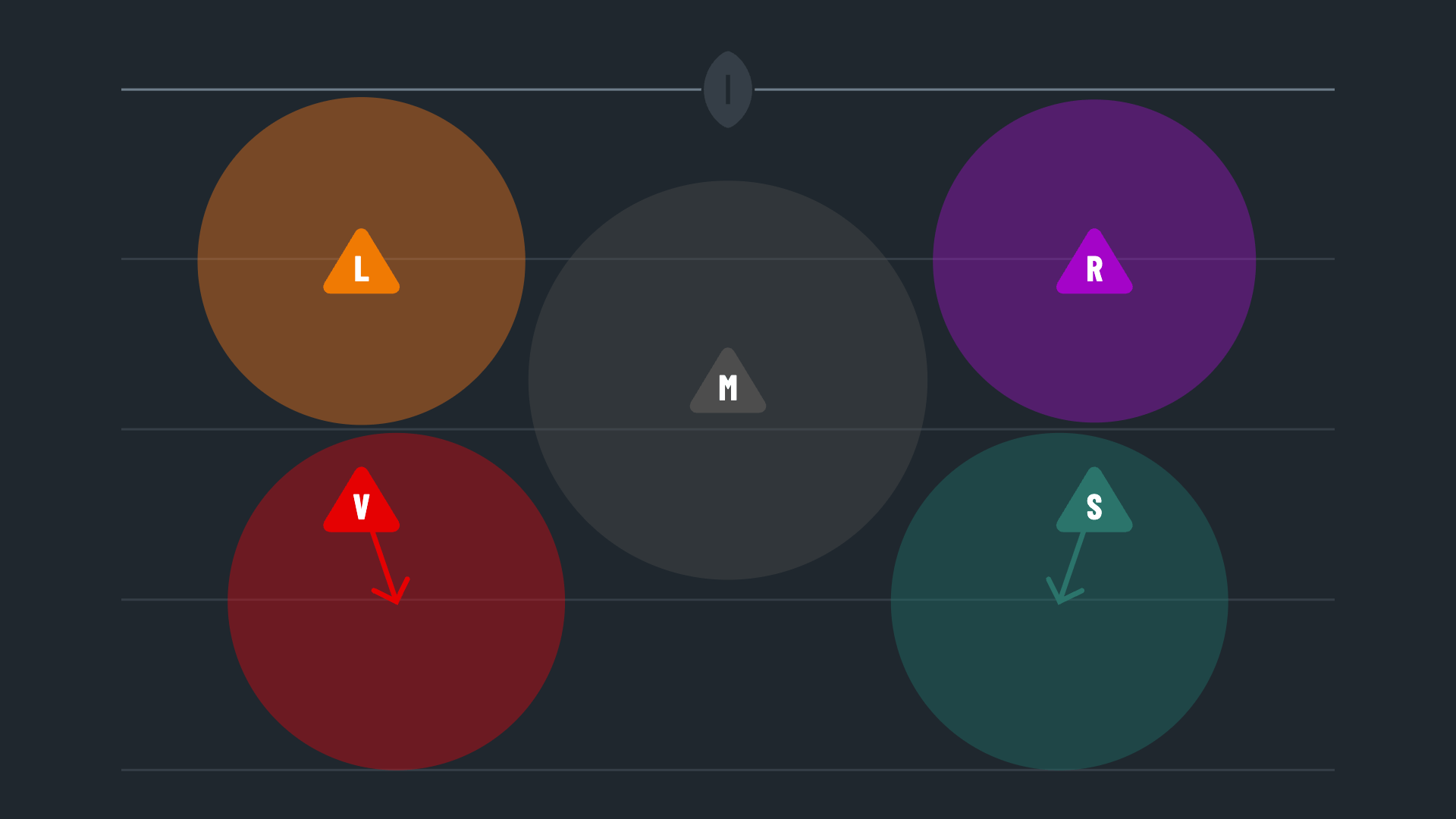
Your Zone is a BUBBLE
You’re in the middle of a bubble that moves where you move. Your bubble can squish a little bit against your teammates but we all know what happens if you squish a bubble too much - it pops!
In this example, the L defender (Left) is Influenced (pulled) out of their zone, chasing the Y receiver into the M defender (Middle) zone bubble. This leaves the Z receiver uncovered.
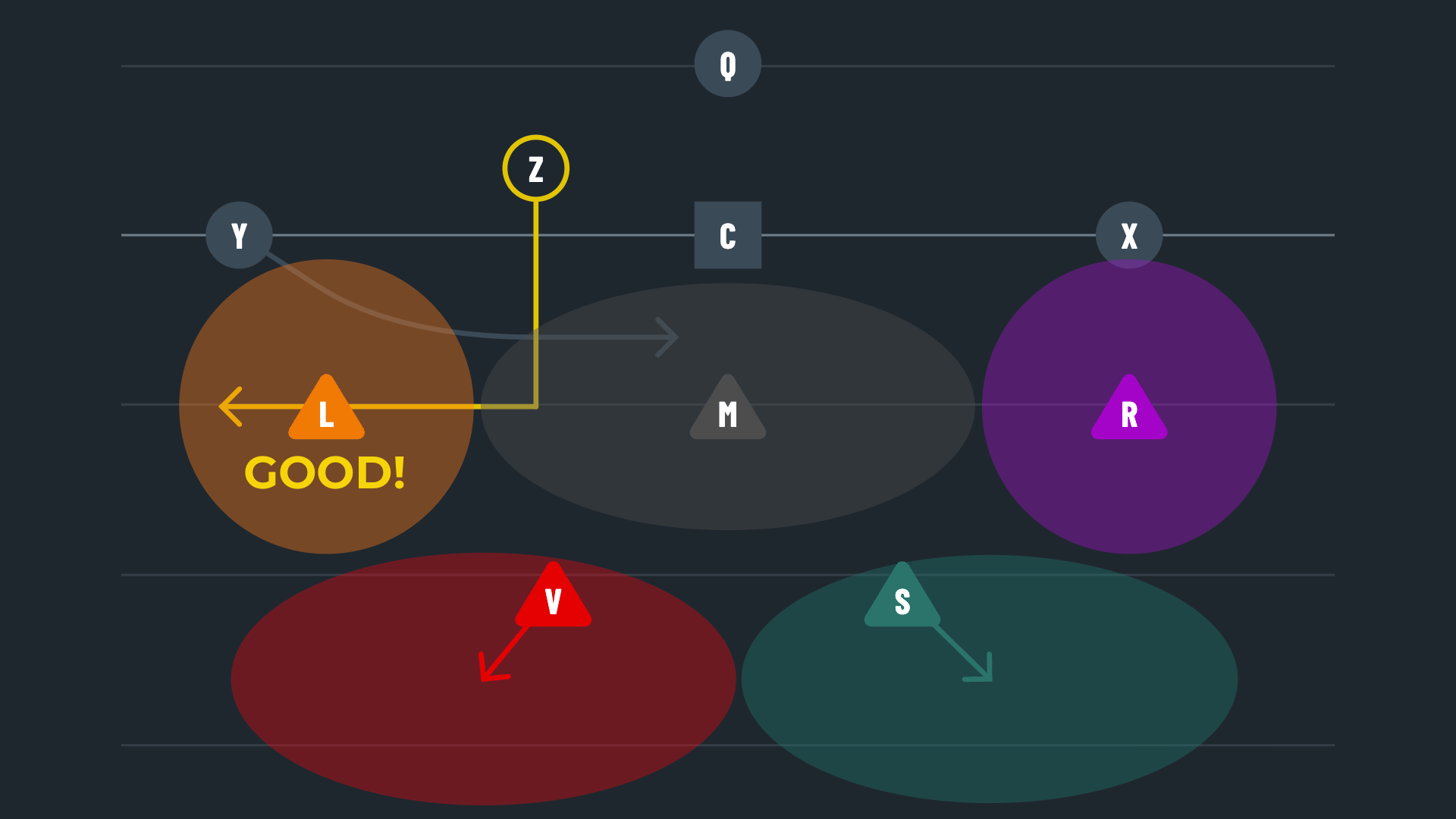
Stay Home
The rule is "If they go AWAY, I STAY". So if an opponent runs AWAY from your bubble toward the other side of the field, you will STAY home (in your zone) and yell the name of the teammate whose zone the opponent is running into.
This is much better! The Y receiver goes away, so the L defender stays home and is in position to defend a pass to the Z receiver.

Zone Defense Examples

When deciding on your zone alignment, think about having most of your players defend the Grid quadrants that your opponents want to target most. Reminder that I’m using 5v5 for demonstration purposes, but the underlying concepts can be applied to all play styles. Get the free companion Play Pack to import these zone defenses into Playmaker X.
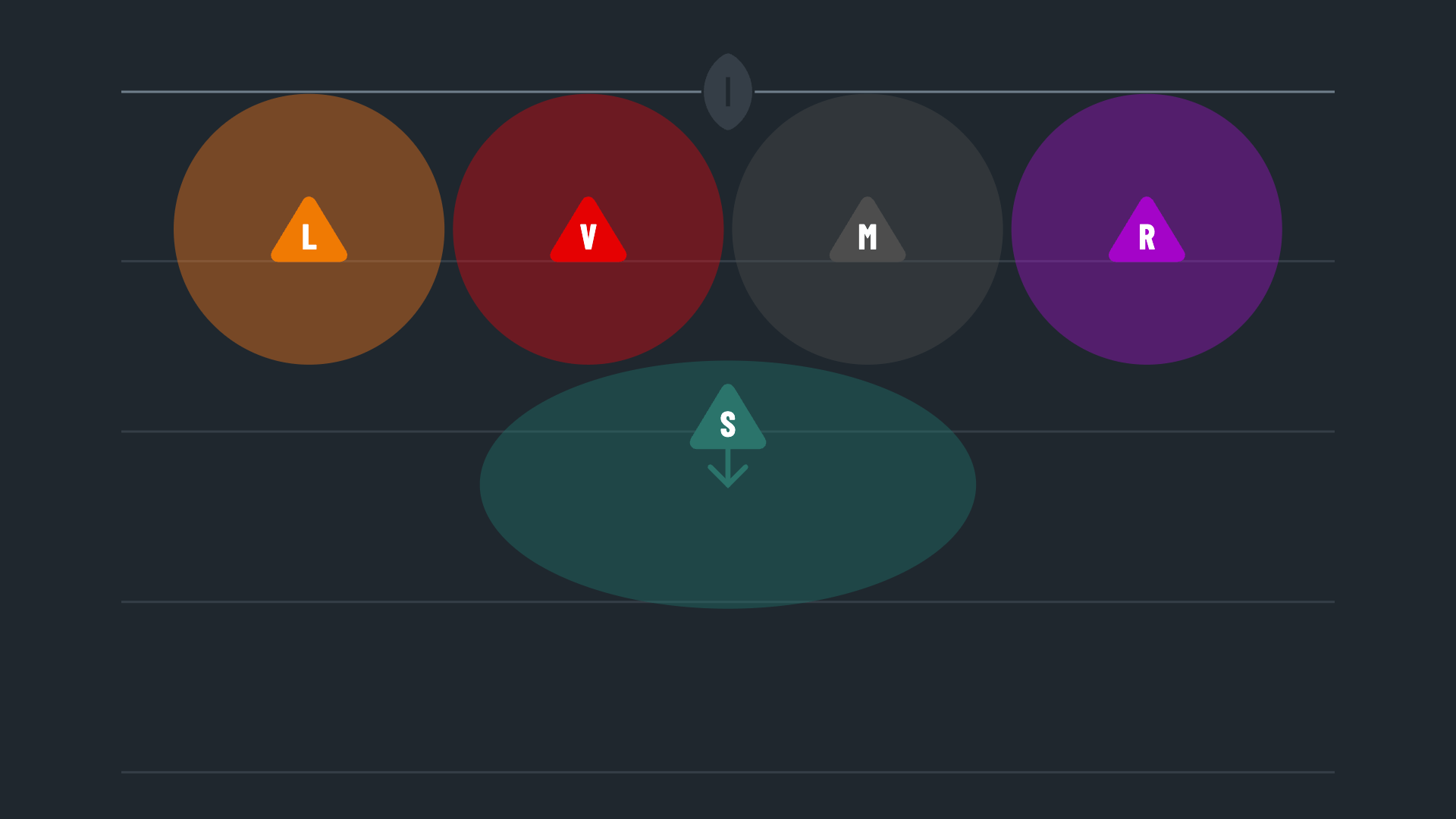
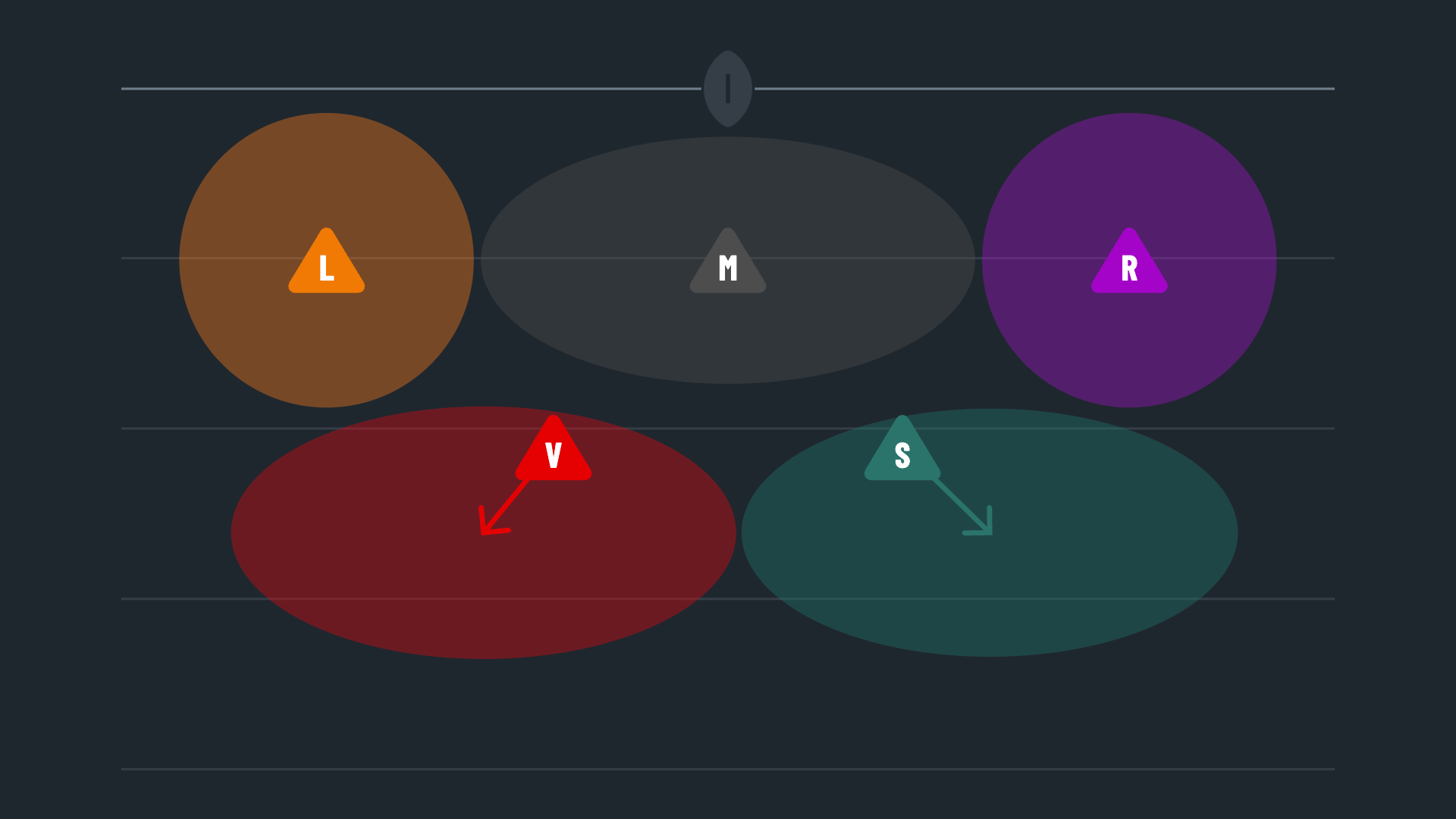
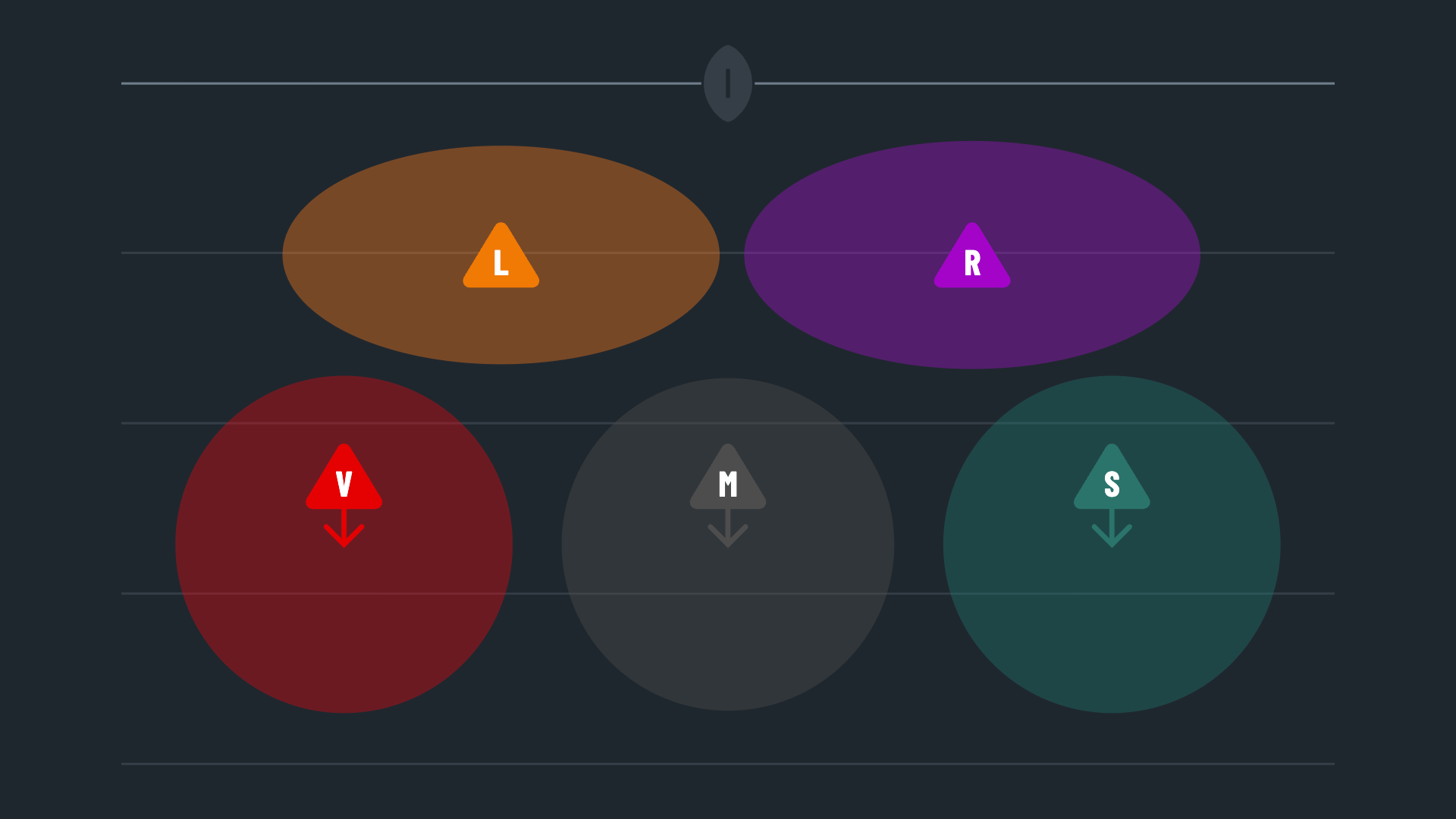
4-1 Zone
Younger, run heavy leagues with some passes targeting short yardage
3-2 Zone
Leagues with a balance of runs and passes targeting short-to-intermediate yardage
2-1-2 Zone
Pass heavy leagues targeting intermediate yardage
2-3
Pass heavy leagues targeting intermediate-to-deep yardage

Hybrid Defense Examples

If you have a smart and skilled defender, you can have them play the hybrid Viper position to add flexibility to your defense. Get the free companion Play Pack to import these Hybrid defenses into Playmaker X.
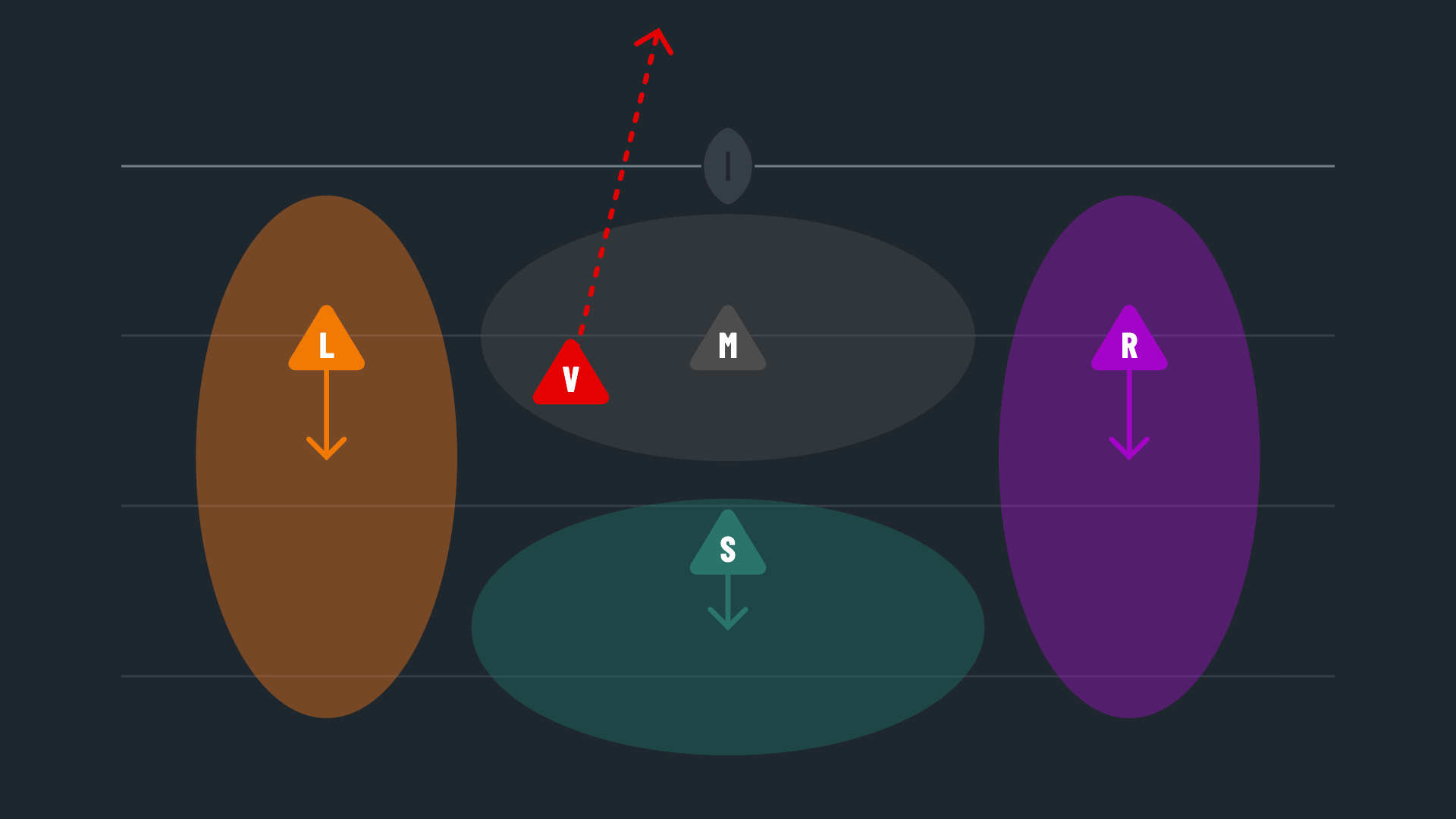
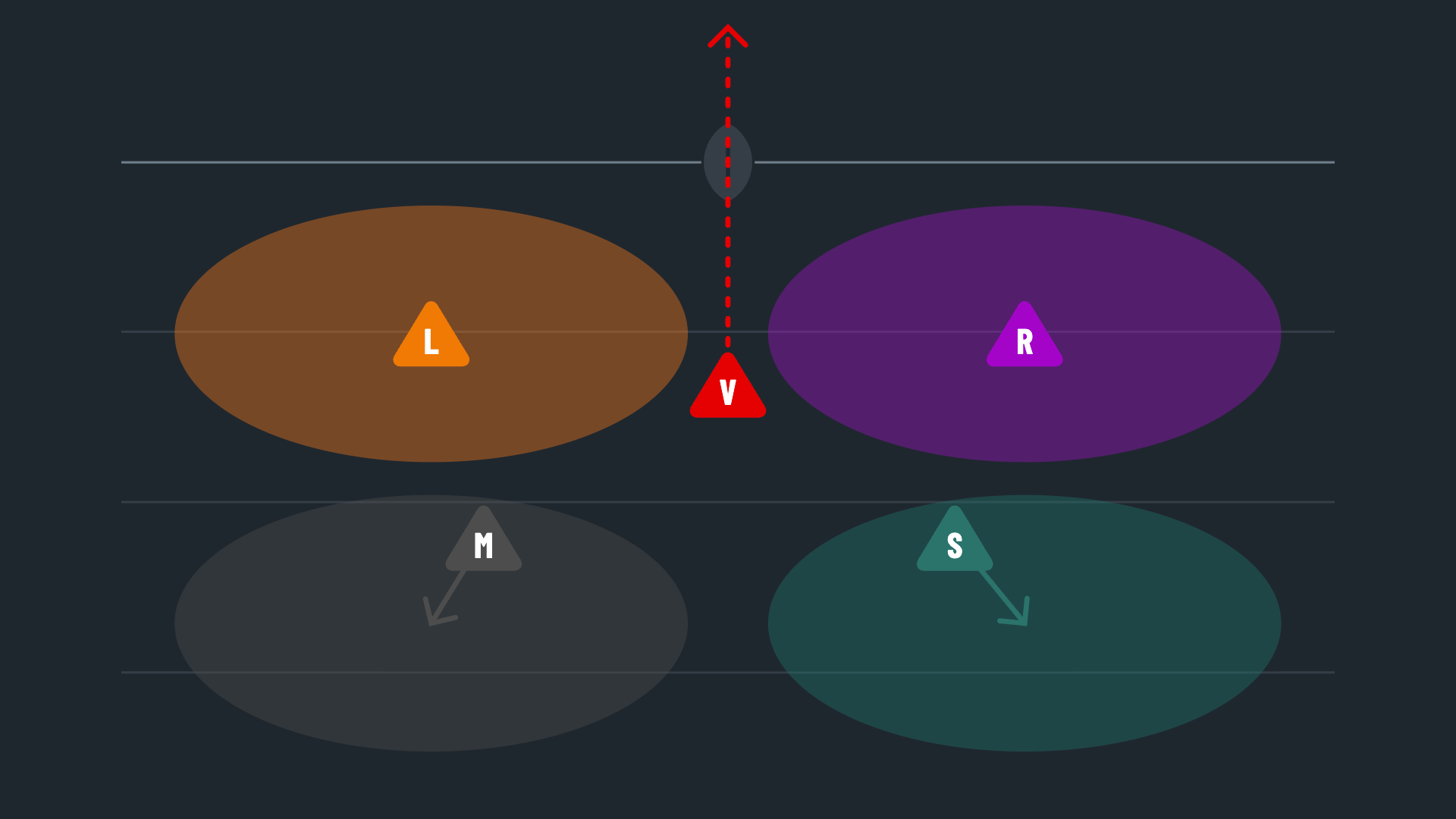
3-1-Viper Hybrid
Run heavy and short yardage passing leagues
2-2-Viper Hybrid
Leagues with a balance of runs and passes targeting short-to-intermediate yardage
1-3-Viper Hybrid
Pass heavy leagues targeting intermediate-to-deep yardage

Recap

No matter which defense you choose, remember:

Flag pulling - more important than scheme
Ask questions - what defense gives us the best chance to stop what our opponent wants to do most?
Start simple - choose one base defense
Consistency - unlocks new schemes

Companion Play Packs

1. Open the Playmaker X app

2. Tap "Playbooks"

3. Tap "Import"

4. Enter your Import Code

4v4 IMPORT CODE
DEFENSE4v4
Copied to Clipboard
5v5 IMPORT CODE
DEFENSE5v5
Copied to Clipboard
6v6 IMPORT CODE
DEFENSE6v6
Copied to Clipboard

Need Help? Contact Support